Online price lists make the catalytic converter sound like the most valuable thing under your car. Some are. Many are not. The same-looking part can be worth a few dollars or a few hundred, and you cannot tell which by looking at it from the outside.
This guide from Sydney Car Wrecker explains what really drives a Catalytic Converter Scrap Price, why a loose converter is harder to sell than most people expect, and why leaving it on the car is often the better deal.
Why a Converter Has Scrap Value at All
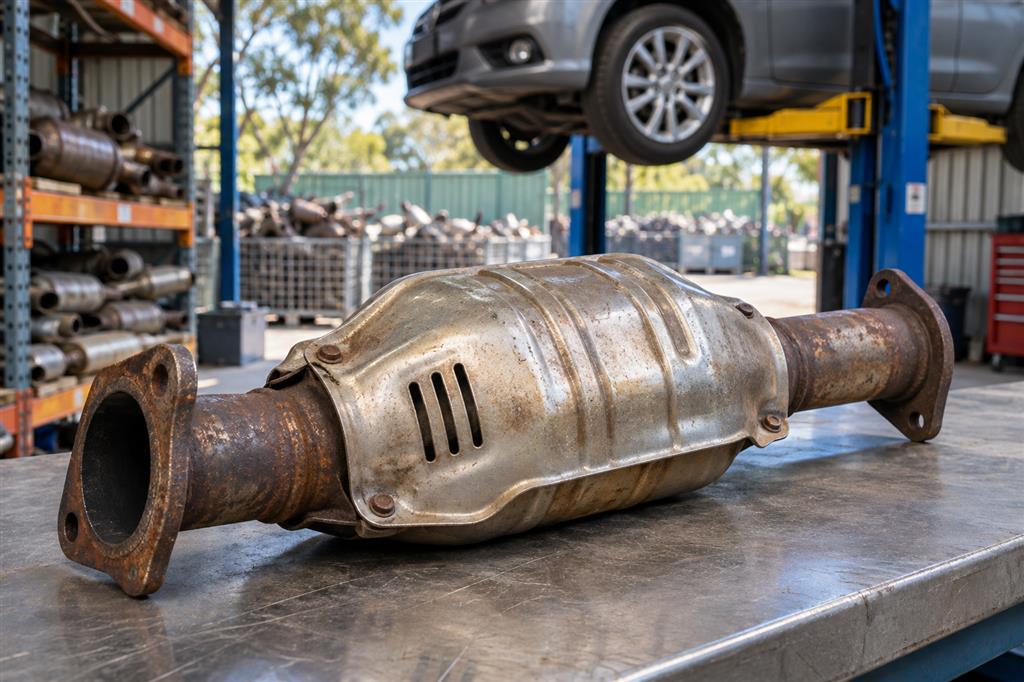
Inside the steel casing sits a ceramic honeycomb coated with tiny amounts of platinum, palladium and rhodium. These metals clean the exhaust gases, and they are also what a refiner pays for. The steel shell itself is worth very little. Everything comes down to how much precious metal is in the coating and what those metals are trading for on the day.
What Sets the Catalytic Converter Scrap Value?
Two converters from cars of the same size can have a very different Catalytic Converter Scrap Value. These are the factors a buyer looks at:
| Factor | What a buyer checks | Effect on value |
| Original or aftermarket | Factory stamp and part number | Original units are worth far more |
| Make and model | Which car it came from | Some models carry heavier metal loading |
| Condition of the core | Is the honeycomb intact, cracked or missing? | Empty or broken cores lose most value |
| Size and number of bricks | Small, large or twin units | More core usually means more metal |
| Metal market | Current platinum, palladium and rhodium prices | Moves the price week to week |
Catalytic Converter Scrap Price by Serial Number
Most original converters carry a stamped code on the casing. Buyers use it to match the unit to known metal content, which is why people search for a Catalytic Converter Scrap Price by Serial Number. A code narrows the range, but it is not a guarantee. A cracked core or a unit that has been gutted will still be marked down once it is opened.
How to Tell If Yours Is an Original Unit
Location. Many modern cars have one unit close to the engine and sometimes a second further back under the floor.
Markings. Original units usually carry the car maker’s logo or a stamped part code on the casing or heat shield.
Shape. Factory units are often shaped to fit the car’s floor pan. Generic round or oval units with welded joins are more likely to be aftermarket.
Records. A workshop invoice showing a past replacement tells you whether the original was swapped out.
Do not grind or scrape the casing to find a code. Damaged markings make the unit harder to identify and can lower the offer.
Diesel Particulate Filters Are Not the Same
Many diesel utes and 4WDs also have a diesel particulate filter (DPF). It looks similar, but it does a different job and usually holds less precious metal. Do not price a DPF using a petrol converter guide.
How Much Is a Catalytic Converter Worth?
There is no fixed answer to How Much Is a Catalytic Converter Worth, and any list that gives one number per car without a date should be treated with caution. Price lists online often mix currencies, use old metal prices or ignore condition. The only reliable figure is a written offer from a buyer who has seen the unit or its code.
Searching for a Catalytic Converter Scrap Price Australia wide average has the same problem. Metal prices are set globally and change daily, so a figure from last year can be well off today’s market.
Should You Remove a Catalytic Converter Before Scrapping the Car?
For most owners, no. There are three good reasons not to Remove Catalytic Converter units yourself:
It cuts the car’s offer. A missing converter is one of the first things a wrecker marks down, often by more than the loose unit will fetch.
It is easy to damage. Cutting it off with a grinder or striking it can crack the ceramic core, which destroys much of its value.
It can be illegal. NSW clean air laws require a vehicle’s anti-pollution equipment to stay fitted and working. A car that is still driven or sold for road use must keep its converter.
Rusted exhaust bolts, a jack instead of a hoist and the risk of hot or sharp metal make the job harder than it looks in online videos.
The Problem with Trying to Sell Catalytic Converter Units Loose
If you try to Sell Catalytic Converter units on their own, expect questions. Converter theft is common, so licensed scrap metal dealers in NSW must keep records of every purchase, including the seller’s details, and report suspicious sales to police. A legitimate buyer will want to know where the part came from.
That makes a loose converter harder to sell for a fair price. Buyers who ask no questions are often the ones paying the least, and selling to them can leave you exposed if the part is later traced.
Where to Sell Catalytic Converter Parts Legally
If you do have a loose unit, think about Where to Sell Catalytic Converter parts with care. Choose a registered scrap metal dealer or a licensed wrecker that records the sale and pays by a traceable method. Keep your registration papers and any repair invoice showing the converter was replaced, so you can prove it came from your own car.
Why Are Catalytic Converters Stolen?
The answer to Why Are Catalytic Converters Stolen is simple: they are quick to cut off and contain valuable metal. Utes, 4WDs and some hybrids are frequent targets because they sit high off the ground or carry heavier metal loading.
Reducing the Risk of Catalytic Converter Theft
A Catalytic Converter Theft usually announces itself with a sudden, loud exhaust roar the next time you start the car. To lower the risk, park in a garage or a well-lit spot, ask a mechanic about a protective cage or shield, and have the converter engraved with your registration number. If yours is stolen, report it to police before replacing it, because your insurer will ask for the event number.
Replacement Cost vs Scrap Value
The Catalytic Converter Price for a new replacement is usually far higher than anything you would get for scrapping the old one. If your converter has failed on an older car with other problems, the replacement bill can be more than the car is worth. At that point, selling the car whole is often the cleaner financial decision.
| Situation | Likely best move |
| Converter failed, car otherwise sound | Replace it and keep driving |
| Converter failed, car has other major faults | Get a quote for the whole car |
| Converter stolen, car is old and low value | Compare the insurance excess and repair cost with a wrecker’s offer |
| Car is being scrapped anyway | Leave the converter fitted |
Catalytic Converter Recycling at Sydney Car Wrecker
When a car comes into our St Marys yard, the converter is removed and sent for Catalytic Converter Recycling, where the precious metals are recovered and reused. Because we price the whole car, the converter’s value is part of the offer, not a separate deal you have to chase.
Rather than trying to Scrap Catalytic Converter units on their own, let the value come through in a whole-car offer. Call Sydney Car Wrecker on 0451 222 223, email info@sydneycarwrecker.com.au, or visit 3 Warrior Place, St Marys NSW 2760. Mention whether the converter is still fitted when you ask for a quote.

