Yes, you can potentially sell a damaged car to a Sydney car wrecker without repairing it first. Whether selling it as-is makes sense depends on the type and severity of the damage, the vehicle’s remaining value, the likely cost of repairs and, where relevant, its insurance or written-off status.
A damaged car is not automatically worthless, and it is not automatically a write-off. A vehicle with minor panel damage, a car with substantial collision damage and a vehicle formally classified as written off are different situations.
Before spending money on repairs, understand what you know about the damage, consider whether fixing it makes financial sense and provide an accurate description when requesting an offer.
What Counts as a Damaged Car?
Damaged car is a broad description that can cover very different vehicle conditions.
Examples include:
- Cosmetic damage: dents, scratches and minor panel damage.
- Accident damage: body or mechanical damage caused by a collision.
- Severe damage: substantial damage affecting multiple areas or systems.
- Mechanical damage: significant engine, transmission or component problems.
- Written-off vehicle: a vehicle formally classified as written off following the relevant assessment or process.
These terms are not interchangeable.
In particular:
Damaged does not automatically mean written off.
A damaged car may also remain drivable, while another may be unable to move. The actual condition matters more than the general label.
Can a Damaged Car Still Have Value?
Potentially, yes. Damage can reduce value, but the assessment should consider the whole vehicle rather than the visibly damaged area alone. Relevant factors can include:
- Reusable parts
- Severity of damage
- Mechanical condition
- Make, model and age
- Vehicle completeness
- Recoverable materials
- Type and location of damage
- Written-off status, where relevant
- Condition of unaffected components
- Demand for the vehicle or its components
For example, consider two older sedans.
The first has a damaged rear door and adjacent panel but no known mechanical problem.
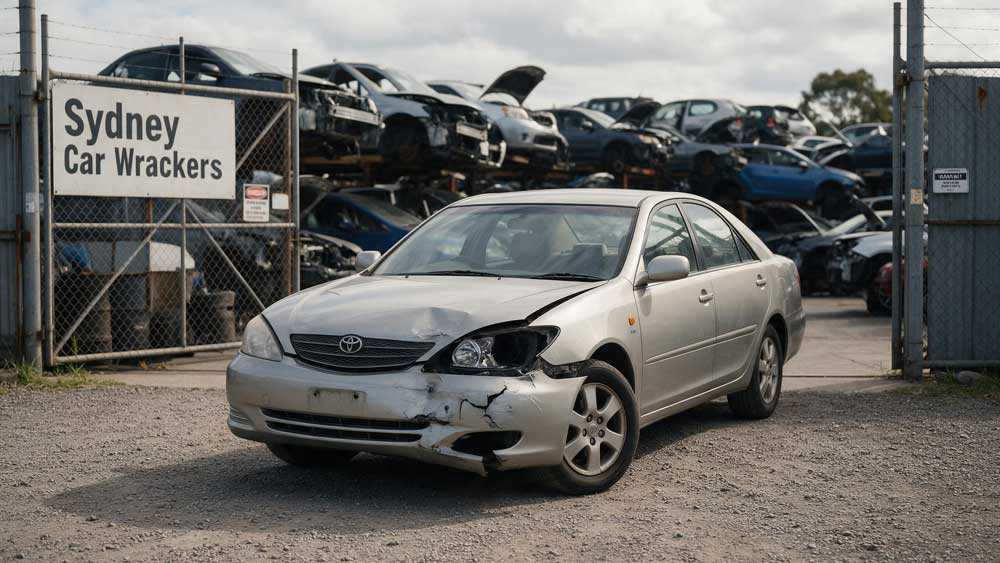
The second has substantial front-end collision damage, deployed airbags and visible damage around a front wheel.
Both can accurately be called “damaged cars,” but their condition and potential value are clearly different.
That is why simply telling a buyer my car is damaged provides too little information for a meaningful assessment.
Should You Repair a Damaged Car Before Selling It?
Not necessarily. The decision should depend on whether repairing the vehicle is likely to improve the selling outcome enough to justify the cost, time and uncertainty.
When Repairing May Make Sense
Repairing may deserve consideration when:
- The damage is limited.
- Repair costs are reasonably predictable.
- The vehicle otherwise has good resale potential.
- The repair could materially improve its marketability.
- The likely improvement in value reasonably justifies the expense.
Selling the vehicle in its damaged condition may deserve stronger consideration when repairs are expensive, several areas are affected, additional mechanical problems exist, repair outcomes are uncertain or the vehicle has limited retail value.
Compare the Net Outcome
Compare the vehicle’s realistic value as-is with its realistic post-repair value after repair costs and other expenses. This focuses the decision on the likely net outcome rather than on whether repair is technically possible.
Imagine an older vehicle with substantial collision damage. Even if it can technically be repaired, spending heavily on body and mechanical work solely to prepare it for sale may not produce an equivalent increase in value. Another vehicle with limited cosmetic damage and otherwise strong resale appeal could present a very different calculation.
The key distinction is simple: repairability and repair economics are not the same thing. Before committing to substantial repairs purely for resale, consider how the vehicle may be assessed in its current condition.
What Should You Tell a Wrecker About the Damage?
An accurate description helps a buyer understand what they are assessing.
When requesting a quote, be ready to explain:
- Where the vehicle is damaged
- Whether it is currently drivable
- Whether airbags have deployed
- How the damage occurred, if known
- Whether windows or lights are broken
- Whether it has been formally written off
- Whether there is a known mechanical problem
- Whether panels or major components are missing
- Whether a repairer, mechanic or insurer has assessed it
- Whether there is visible damage around wheels or suspension
You do not need to diagnose structural or mechanical damage yourself.
Describe Facts, Not Guesses
If you have a professional assessment, accurately report what you were told. Otherwise, describe what you can actually observe. For example, do not say: The chassis is definitely bent. unless that has been established.
A more accurate description would be: The front of the vehicle has substantial collision damage. I have not had the structural condition professionally assessed. The second version distinguishes an observable fact from an assumption.
Likewise, do not minimize known damage simply to obtain a more attractive initial quote. An offer based on incomplete information may not reflect the vehicle eventually presented to the buyer.
Should You Send Photos of a Damaged Car?
Clear photos can help communicate the location and visible extent of damage during an initial discussion.
Useful photos may include:
- Rear
- Front
- Both sides
- Interior, if affected
- Close-ups of significant damage
- A wider view of the damaged area
- Other visibly affected components
- Wheels or tire areas near the impact
For significant damage, providing both a wider photo and a close-up is useful. The wider image shows where the damage is located; the close-up shows more detail. Use reasonable lighting and multiple angles where helpful. Avoid framing photos in a way that conceals known damage.
Photos can assist an initial assessment, but they should not automatically be treated as a substitute for any inspection or verification a particular buyer may require.
What If the Damaged Car Is Not Safe to Drive?
Do not unnecessarily drive a damaged vehicle simply to demonstrate that it can still move if its condition raises safety concerns.
Examples include:
- Fluid leaks
- Broken glass
- Deployed airbags
- Serious steering problems
- Substantial collision damage
- Visible wheel or suspension damage
- Other damage that may make operation unsafe
If you are uncertain whether the car is safe to operate, describe its condition and discuss suitable collection arrangements rather than taking an unnecessary risk.
If the main problem is that the vehicle no longer starts or cannot move under its own power, see our separate guide: Can You Sell a Non-Running Car to a Sydney Car Wrecker? That article covers non-running vehicle mobility, access and collection considerations in more detail.
What If an Insurance Claim Is Involved?
If an insurer is dealing with the damaged vehicle, clarify the insurance position before independently selling or disposing of it. The insurer may still be assessing the damage, deciding whether the vehicle will be repaired or written off, or dealing with settlement and disposal arrangements.
Before proceeding with a separate sale, establish:
- Whether the claim is still active
- Whether the assessment has been completed
- Whether a settlement or disposal decision has been made
- Whether you remain entitled to dispose of the vehicle yourself
Do not assume that having physical possession of the damaged car automatically resolves these questions. If the claim, settlement or disposal position is unclear, confirm it with the insurer before selling the vehicle independently.
Damaged vs Written-Off: Why the Difference Matters in NSW
A damaged vehicle is not automatically a written-off vehicle. Damage describes the physical condition of the car. Written-off status involves a formal assessment and administrative status. This distinction matters when completing the disposal process.
If the Vehicle Has Been Written Off
Service NSW states that a Notice of Disposal is not required when a vehicle has been written off after an accident or other major damage. However, its registration needs to be cancelled.
Number-plate requirements may also apply depending on the circumstances. This is why you should establish whether the vehicle is simply damaged or has actually been recorded as written off before completing the transaction.
For detailed information about identification, registration documents, number plates and NSW disposal paperwork, see our guide: What Documents Do You Need to Sell a Car for Scrap in NSW?
How to Sell a Damaged Car to a Sydney Car Wrecker: 6 Steps
Step 1: Identify What You Know About the Damage
Note the affected areas and gather any confirmed information from a repairer, mechanic or insurer. Describe what you know rather than guessing at structural or mechanical diagnoses.
Step 2: Consider Repair vs Selling As-Is
Compare the likely cost and uncertainty of repairs with the realistic improvement they could make to your selling outcome.
Step 3: Gather Vehicle Details and Photos
Prepare the make, model, year, location, registration status and an accurate description of the damage. Take clear photos where useful.
Step 4: Clarify Insurance or Written-Off Status
If an insurer is involved or the vehicle has been formally written off, establish the relevant status before proceeding.
Step 5: Request and Review the Offer
Provide accurate information and understand what the offer is based on, including any relevant conditions.
Step 6: Confirm Handover or Collection
Confirm the practical arrangements and complete the applicable transaction and NSW disposal requirements. If the damaged vehicle cannot run or move, disclose this before collection is arranged.
5 Mistakes to Avoid When Selling a Damaged Car
- Assuming every damaged car should be repaired first. A technically repairable vehicle is not necessarily economical to repair before sale.
- Describing damage too vaguely. Explain where the damage is and what you actually know about it.
- Hiding known damage or missing components. Incomplete information can make an initial assessment unreliable.
- Confusing “damaged” with “written off.” They are not automatically the same status.
- Selling before clarifying an active insurance situation. Establish the claim and disposal position first.
Frequently Asked Questions
Sell Your Damaged Car with Sydney Car Wrecker
Selling a damaged vehicle should begin with understanding its actual condition—not assuming that you must repair it first. Have the make, model, year, location and registration status ready. Explain where the damage is, whether the vehicle is drivable, whether an insurer has assessed it and whether it has been written off.
Clear photos can also help communicate visible damage. Sydney Car Wrecker provides car-removal services for accident-damaged vehicles in Sydney. Its website also advertises free towing and same-day car removal as part of its service. Contact the team with accurate information about your vehicle to discuss the offer and collection arrangements that apply to your situation.
Sydney Car Wrecker
Phone: 0451 222 223
Email: info@sydneycarwrecker.com.au
Address: 3 Warrior Place, St Marys NSW 2760